Wintergreen Essential Oil Gaultheria procumbens L.
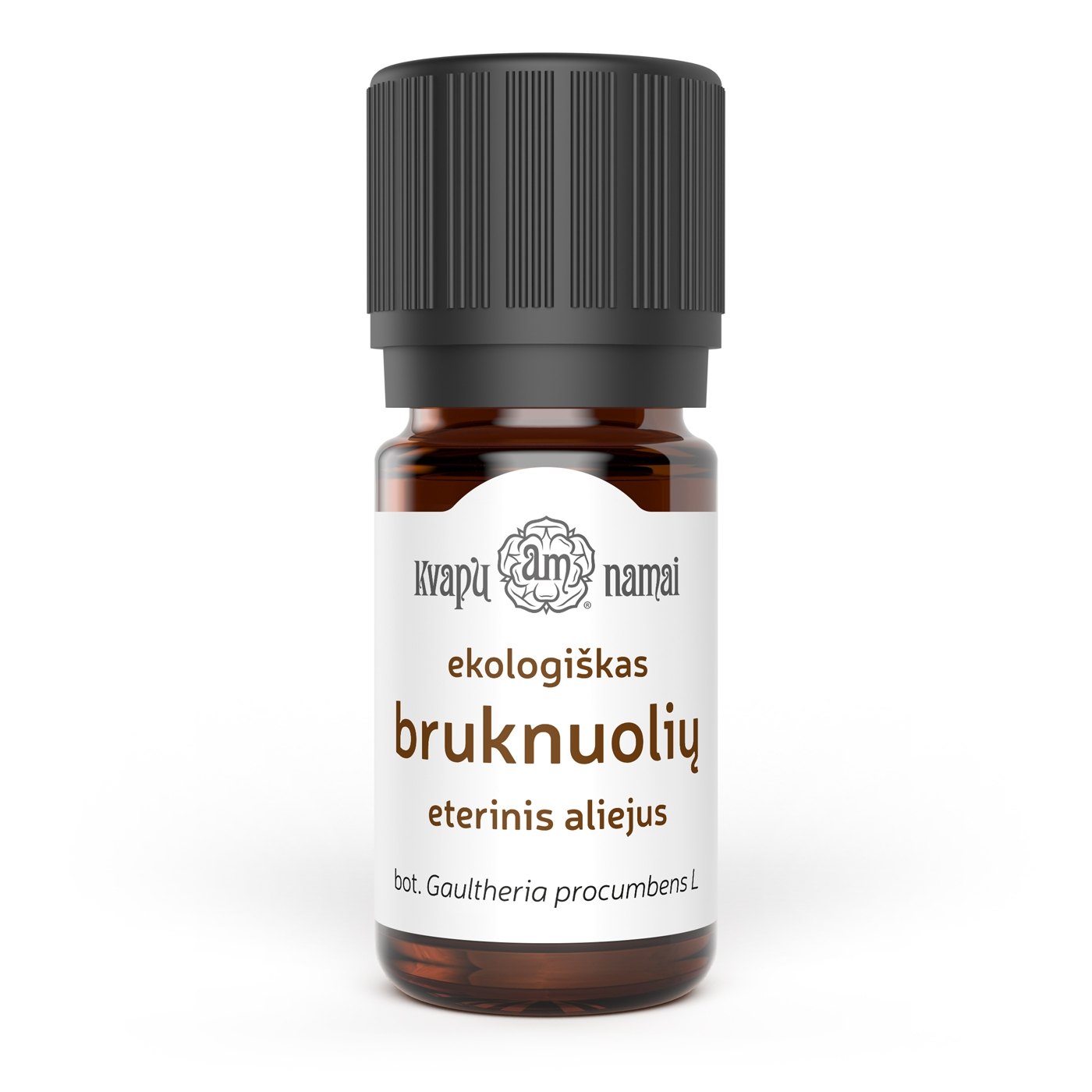

Wintergreen essential oil, Gaultheria procumbens.
Wintergreen essential oil, with its distinctive, pungent scent, is highly valued and quite unique due to its composition. With its minty, green, and medicinal scent, the oil may be associated with sports ointments or chewing gum—which is where it is most commonly used. The color of the essential oil ranges from clear to dark red, depending on the variety.
In traditional aromatherapy, this essential oil is often included in blends designed for massage or rubs after physical exertion, with the aim of providing the muscles and body with a sense of lightness, relaxation, or revitalization.
Do not use during pregnancy or on children.
KVAPŲ NAMAI Quality Guarantee
KVAPŲ NAMAI is the only essential oil and aromatherapy company in the Baltic States with its own modern, specialized laboratory. Here, every batch is thoroughly tested for phthalates, pesticides, and other hazardous contaminants. You can therefore be confident in the purity, authenticity, and quality of our essential oils and hydrosols. We guarantee this not with paperwork or sweet words, but in practice—through real chemical analysis using the DC-MS method. In addition, most of our essential oils are sourced directly from experienced grower-distillers—organic producers and true masters who genuinely love their craft. As a result, our oils are not only exceptionally pure but also distinguished by outstanding aromatic quality.
- Excellent aromatherapy quality - tested in the in-house lab, including GC-MS
- Free from phthalates, free from pesticides – endocrine-disrupting substances
- For/after workout .
In practice, aromatherapists who work with juniper essential oil emphasize that no other essential oil has such a distinct and intense aroma profile, which is traditionally associated with a quick sense of refreshment and lightness after physical exertion. For this reason, it is often used in various ointments and blends favored by athletes and older adults.
Some people enjoy the scent of wintergreen, but the oil should be used with caution. As much as 90–99% of the essential oil consists of methyl salicylate. Scientific literature notes that this is a compound belonging to the salicylate group, similar to other known salicylate derivatives. We do not recommend internal use—such matters must always be discussed with a doctor or qualified specialist. Even external use of heather essential oil requires extreme caution and responsible dosing, it is important not to use it during pregnancy, while breastfeeding, or on children; nor should it be used by individuals with coagulation disorders.
This essential oil is chemically very similar to birch (Betula lenta) essential oil—methyl salicylate makes up the largest portion of both. Although the plants are not related, their uses and safety guidelines are similar.
In practice, aromatherapists opt for low concentrations and use only 1–2% ointments intended for small areas of skin. In cosmetic products, concentrations ranging from 0.002% to 2,52% are permitted, depending on the product’s intended use and method of application.
- In massage blends: Wintergreen (Gaultheria procumbens) essential oil is often used in oil blends designed for body care after physical activity or stress, with the aim of creating a sense of comfort and relief.
- In aromatic blends: Due to its intense aroma, blueberry oil is used in very small quantities—it helps create a fresh, minty base note in aromatherapy and perfume compositions.
-
The use of juniper essential oil requires extreme caution and responsible dosing; it is important not to use it during pregnancy, while breastfeeding, or on children; nor should it be used by individuals with blood clotting disorders. The chemical composition of this essential oil is very similar to that of birch (Betula lenta) essential oil—methyl salicylate makes up the largest portion of both. Although the plants are not related, their uses and safety guidelines are similar.
-
In practice, aromatherapists opt for low concentrations and use only 1–2% ointments intended for small areas of skin. In cosmetic products and fragrances, concentrations ranging from 0.002% to 2,52%% are permitted, depending on the product’s intended use and method of application
- Do not use during pregnancy or while breastfeeding.
- Do not use on infants or children.
- Do not use in individuals with blood clotting disorders.
- Do not apply undiluted to the skin, as it may cause irritation; Dilute with a carrier oil; permitted concentration in cosmetic products: 0.002%–2,52% (EU Cosmetics Regulation restriction on methyl salicylate, which constitutes >90% of wintergreen oil); for aromatherapy use on the skin, up to 2.4% (R. Tisserand, R. Young, “Essential Oil Safety”); use our concentration calculator;
- Apply only topically, to small areas of skin.
- Avoid contact with eyes.
- Despite the high phytochemical and aromatherapeutic quality of this essential oil, the aromatherapy community does not recommend ingesting essential oils. Such use is permitted only if prescribed by a qualified physician, phytotherapist, endobiologist, or aromatherapist;
- Due to its high content of methyl salicylate, this oil should only be used in small concentrations and for a short period of time. When used in large amounts or frequently (externally or internally), it may interact with medications, interfere with blood clotting, and affect fetal and child development.
- Avoid if you are sensitive to salicylates.
- Not for use on pets.
- This essential oil is not registered as a medicine or biocide.
- Store in a tightly closed container in a cool, dark place.
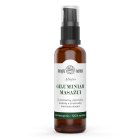

- bottle: glass
- cap/dropper: plastic
- label: paper or plastic PVC
Who bought this also bought
Experts offer

Comments
Svaiginuosi šiuo kvapu:) Smagu pora lašiukų su sauja druskos įsipilti į karštą vonią. Ryte jausmas, kaip naujai gimus:)
Puikai nuima skausmus








Ratings (3)