Rosemary essential oil Salvia rosmarinus Spenn., sin. Rosmarinus officinalis L.


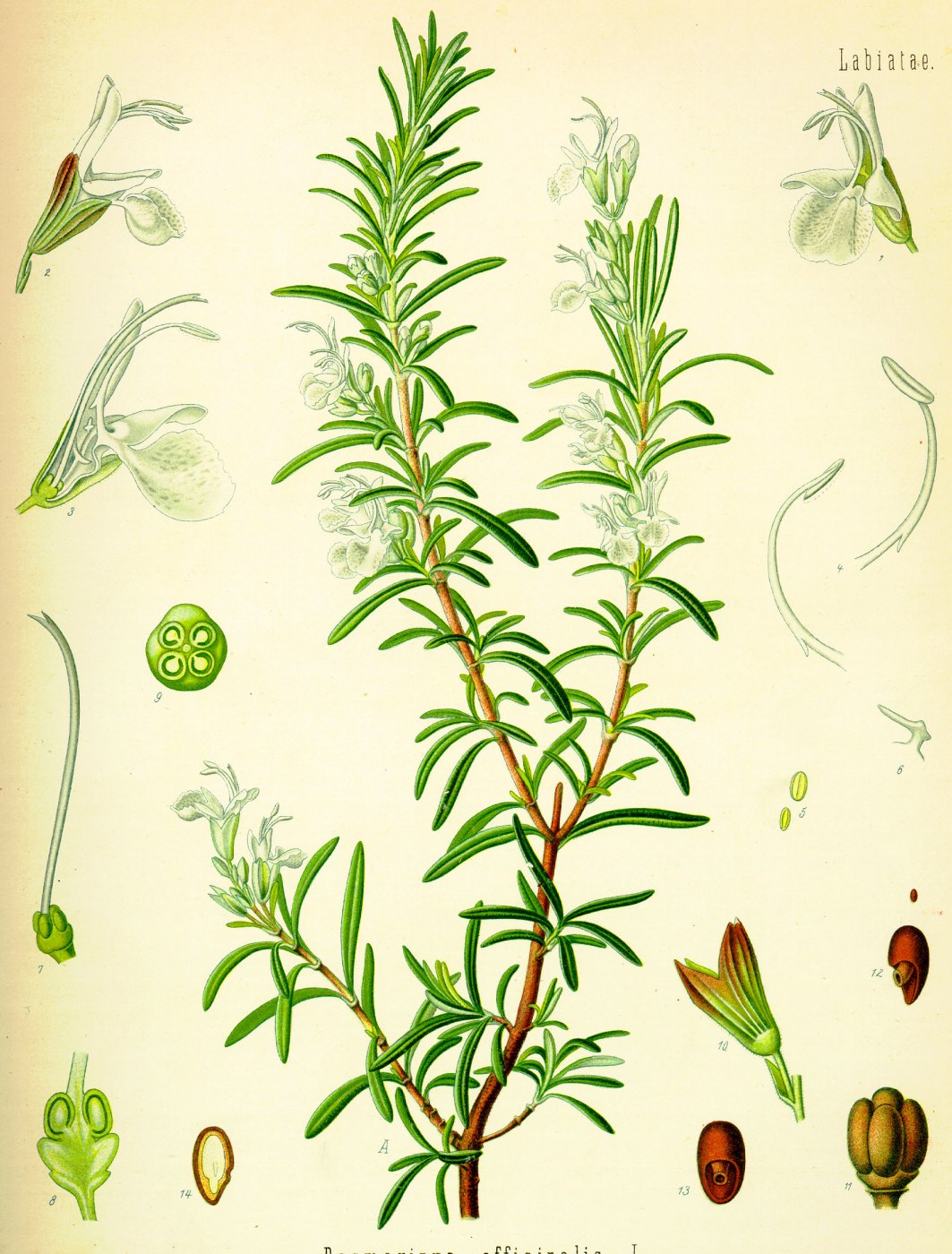






Rosemary essential oil is one of the main European aromatherapy oils, valued for its properties and for its fresh, strong, green and camphoraceous scent. It is used in both classical and modern perfumery.
Depending on the chemotypes, it is used during the cold season, for hair care, for muscles and joints, and as an oil to help concentration and focus.
- Certified organic raw material
- Excellent aromatherapy quality - tested in the in-house lab, including GC-MS
- Free from phthalates, free from pesticides – endocrine-disrupting substances
- For children during colds season
- Air purifier & freshener
- Sauna Rituals
- For/after workout
- Anti-cellulite
- For Hair Care
- Perfumery note: top
- Perfumery note: heart.
Rosemary (Salvia rosmarinus, syn. Rosmarinus officinalis) is a plant that is known to produce a variety of chemotypes, which are different chemical variants that can have different properties and uses. Two common chemotypes of rosemary are cineole and verbenone.
Rosemary cineole chemotype essential oil or CO2 extract is derived from the leaves and flowers of the rosemary plant and is known for its strong, camphor-like scent. It is often used for its analgesic, anti-inflammatory, and respiratory-supportive properties. Some potential uses for rosemary cineole chemotype essential oil include:
- Relieving muscle aches and pains: The anti-inflammatory properties of rosemary cineole chemotype essential oil may help alleviate muscle aches and pains, particularly when used in massage.
- Supporting respiratory health: Rosemary cineole chemotype essential oil is often used to help alleviate respiratory issues such as colds, flu, and bronchitis. It is believed to help clear the sinuses and improve breathing.
- Promoting mental clarity and concentration: The strong, camphor-like scent of rosemary cineole chemotype essential oil is believed to help improve focus and mental clarity, making it useful for students or anyone who needs to work on tasks that require mental acuity.
Rosemary verbenone chemotype essential oil is also derived from the leaves and flowers of the rosemary plant and is known for its woody, herbal scent. It is often used for its uplifting and invigorating effects and is believed to have calming and stress-reducing properties. Some potential uses for rosemary verbenone chemotype essential oil include:
- Reducing stress and anxiety: The uplifting and invigorating scent of rosemary verbenone chemotype essential oil may help reduce stress and anxiety.
- Promoting mental clarity and concentration: The scent of rosemary verbenone chemotype essential oil is believed to help improve focus and mental clarity, making it useful for students or anyone who needs to work on tasks that require mental acuity.
- Supporting respiratory health: Rosemary verbenone chemotype essential oil is often used to help alleviate respiratory issues such as colds, flu, and bronchitis. It is believed to help clear the sinuses and improve breathing.
It is important to note that while essential oils can have many potential benefits, they should be used with caution and always diluted before use. It is also recommended to consult with a healthcare professional before using essential oils, particularly if you are pregnant, nursing, or have a medical condition.
- add 1 drop of rosemary essential oil to a drop of hair conditioner, massage into the scalp and hair; leave on for 3-5 minutes. (By the way, rosemary hydrolat (not plain water) is the main ingredient in our Gentle Rosemary Shampoo!)
- make a head massage with rosemary-coconut oil: add 5 drops of rosemary oil to a tablespoon of rosemary oil. Massage your head for at least 10min (ideally ask a relative to do it, or even better, a professional); you can leave it as a hair mask overnight; in the morning, wash your hair with a mild shampoo.
- for a body massage, dilute rosemary essential oil in the base oil to a concentration of 2%.
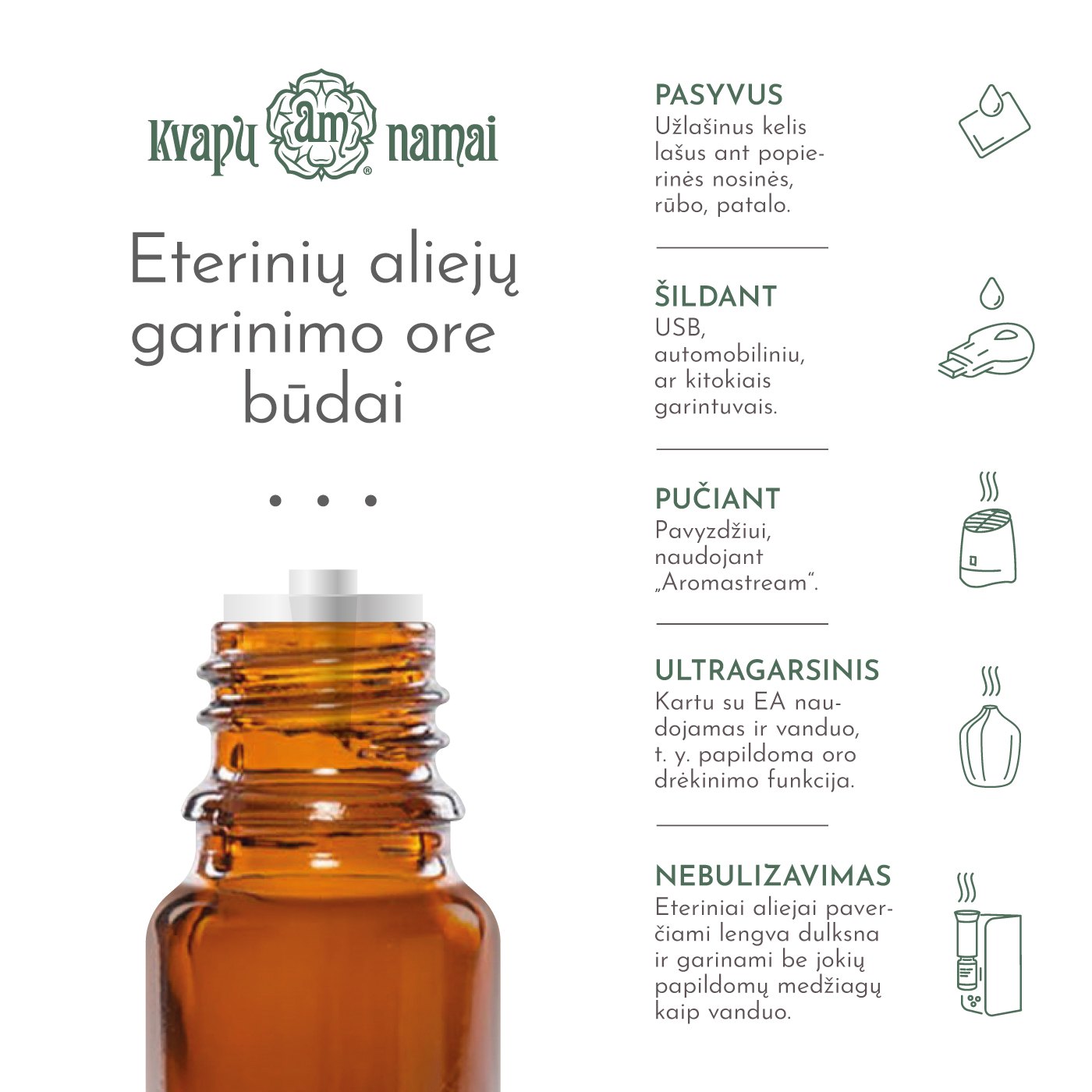
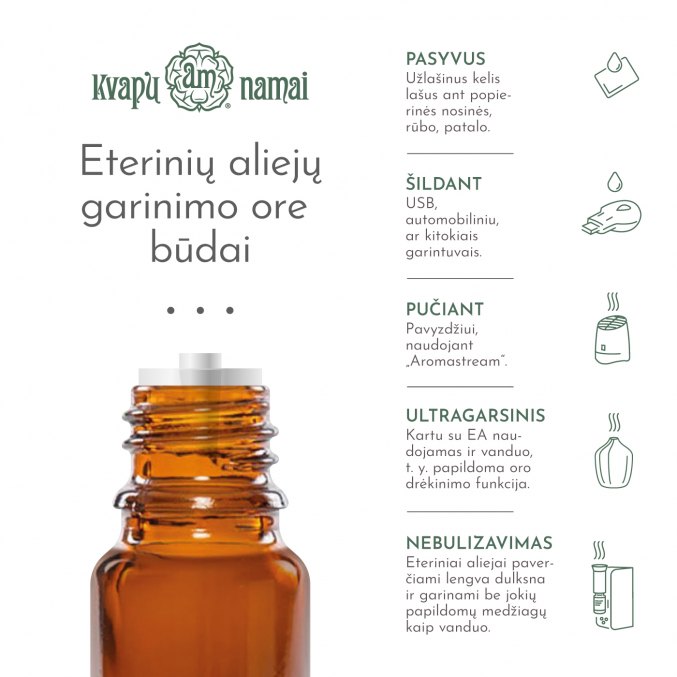
- diffuse rosemary essential oil in the workroom using our Aromastone or Aromastream vaporizers (2-10 drops of essential oil, depending on the size of the room)
- put a few drops of rosemary essential oil on the paper next to your workstation and let it evaporate.
- do not use on fresh skin as it may cause irritation; dilute with vegetable oil or butter;
- protect eyes;
- effects on pregnant and lactating women are unknown; essential oils should be avoided for the first 3 months of pregnancy and for infants up to 3 months of age unless necessary.
- despite the high phyto-, aromatherapeutic quality of this oil, the aromatherapy community cannot recommend internal use for therapeutic purposes, but such use is possible if prescribed by a phyto/ aromatherapist;
- do not use on cats, birds, fish, rodents, reptiles (evaporate in small quantities at home or use on your own); do not use on dogs, horses, muzzle, genitals, vaccinate;
- this essential oil is not registered as a medicine;
- this essential oil is not registered as a biocide;
- keep tightly closed in a dark, cool place.
Hungarian water is a type of perfume that was popular in the Middle Ages and is made with a combination of rosemary and other ingredients. It was believed to have medicinal and restorative properties and was often used to treat a variety of ailments.
To make Hungarian water, fresh rosemary leaves were collected and soaked in a mixture of alcohol and water for several weeks. The liquid was then strained and other ingredients, such as lemon peel and angelica root, were added. The resulting mixture was then allowed to age for several months before it was ready to use.
Hungarian water was believed to have a variety of benefits, including improving memory, relieving headaches and muscle aches, and strengthening the immune system. It was also thought to have a pleasant, refreshing scent and was used as a perfume as well.




- bottle: glass
- dropper cap: plastic
- label: plastic
Who bought this also bought
Experts offer

Comments
Mano atradimas plaukams,naudoju kartą per savaitę su kokosų aliejumi , rezultatas mažiau slenka ,mažiau lūžinėja plaukai ir greičiau auga♥️ Iš visų išbandytų mano aliejų ir eterinių aliejų šis derinys veiksmingiausias mano plaukams❤️????
Rozmarinų aliejus nuostabus produktas , neįtikėtinai švelnina plaukus. Ačiū darbuotojoms už profesionalius patarimus.
Labai padeda moksluose įsiminti. Užtenka tik giliai kelis kartus įkvėpti. Svarbu to nedaryti prieš naktį, ne buvo sunku užmigti.







Ratings (4)